According to the National Fire Protection Association, space heaters are involved in about a third of home heating fires and most of the deaths from them. The usual causes are not mysterious: heaters too close to bedding, curtains or furniture, and heaters plugged into cords that were never meant for that load.
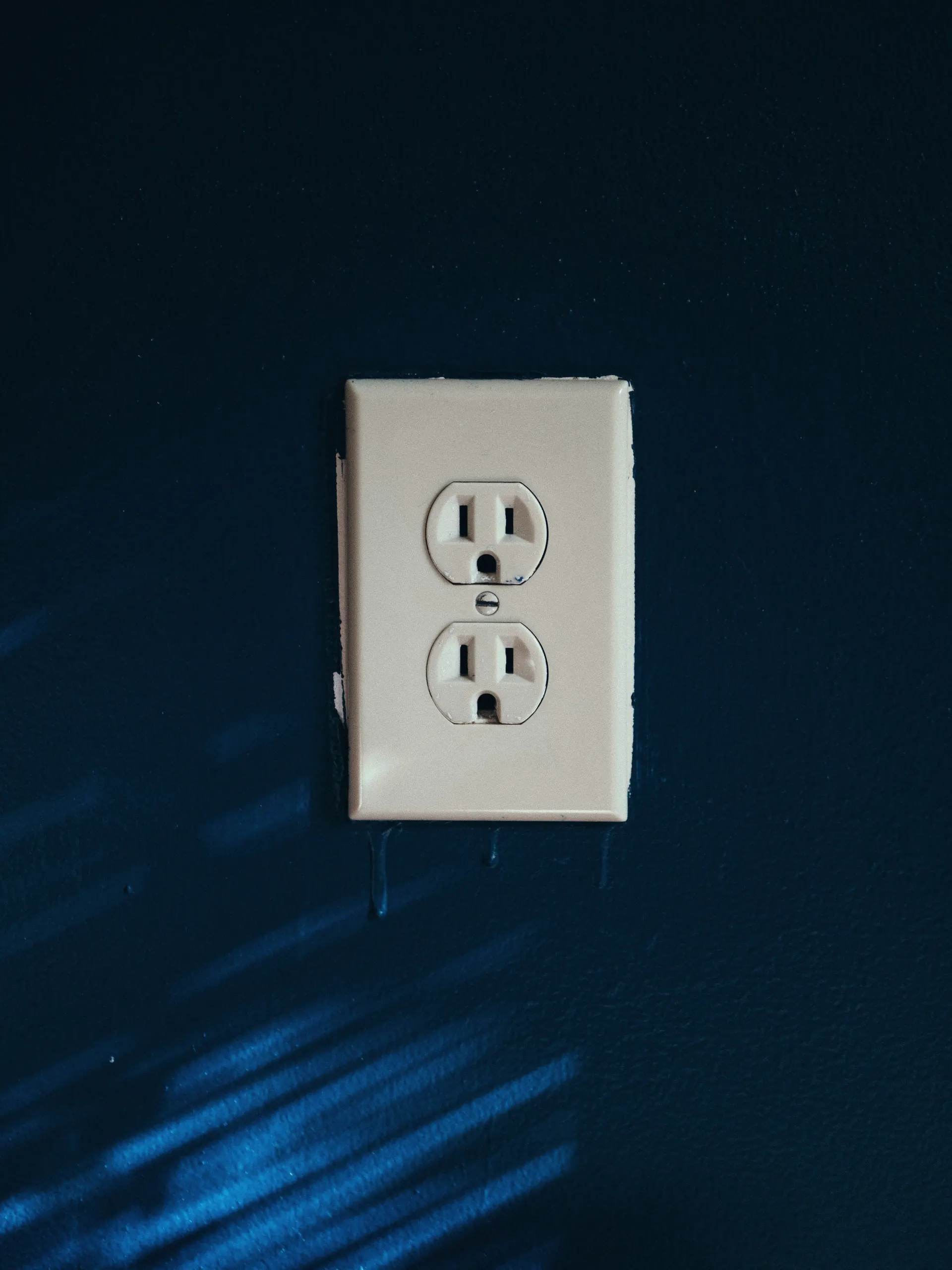
Why the wall outlet matters
A typical space heater on high draws about 1,500 watts, or 12.5 amps. Most household extension cords and power strips are not rated to carry that continuously. They heat up, the insulation softens, and that is how a fire starts behind a couch.
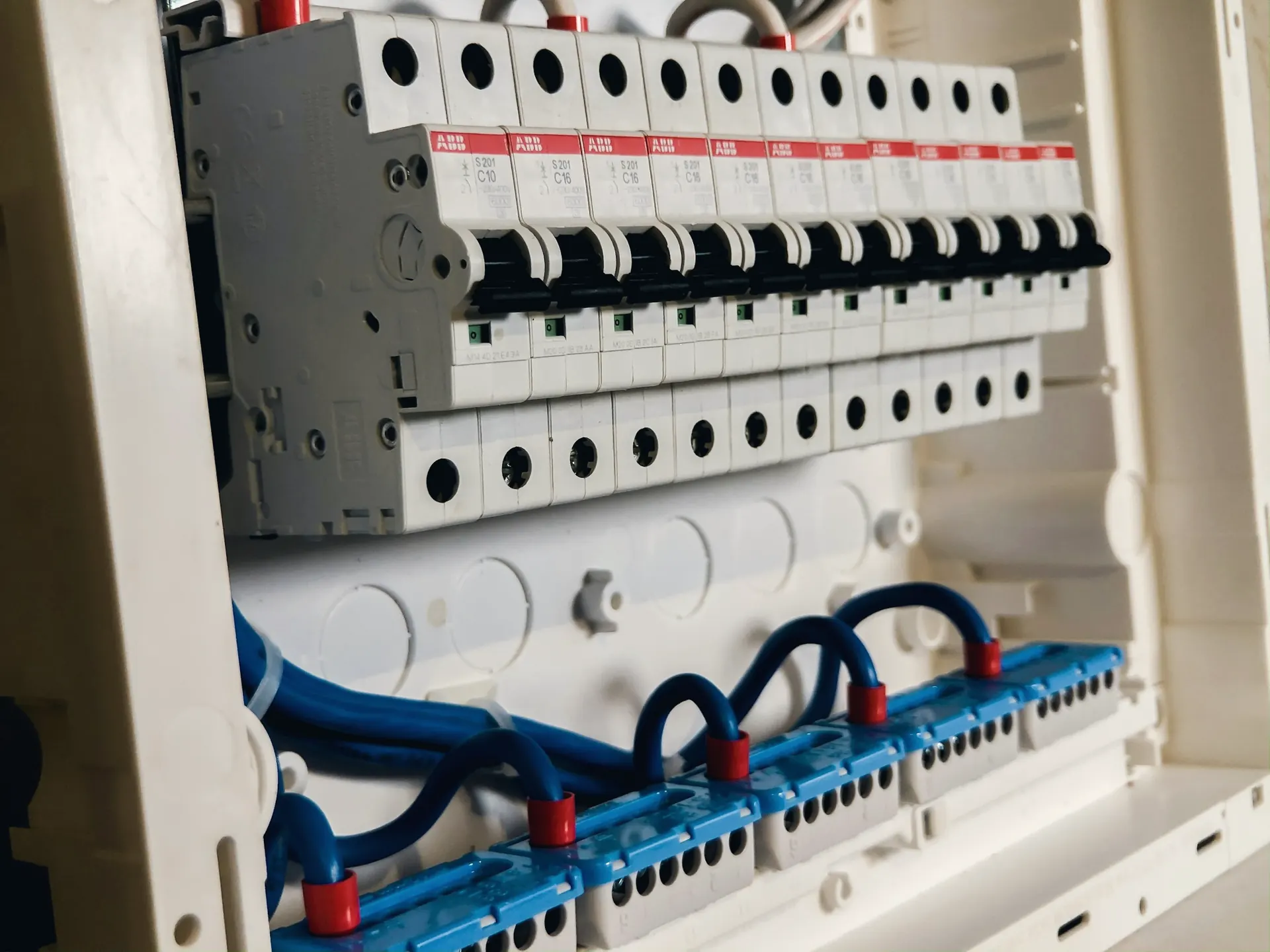
Even a wall outlet can struggle if the circuit already carries other loads. If the outlet or plug feels warm, or the breaker trips, move the heater to another circuit. See our breaker guide.
Buying a heater
- Look for a safety certification mark from a recognized testing lab (UL, ETL or CSA).
- Tip-over shutoff and overheat protection are a must.
- Oil-filled radiator styles run cooler on the surface than exposed-coil heaters.
- A thermostat lets it cycle instead of running flat out.
Using it
- Keep 3 feet clear on all sides: beds, curtains, paper, laundry, pets.
- Set it on a hard, level floor, not on a rug or furniture.
- Never use it to dry clothes or thaw pipes unattended.
- Turn it off when you leave the room or go to sleep.
- Check the cord and plug before each season. Throw away any heater with a damaged cord.
Extension cords in general
- Use them for temporary needs, not as permanent wiring.
- Do not run cords under rugs or through doorways where they get pinched.
- Match the cord’s rating to the load. Heavy tools and appliances need heavy-gauge cords.
- Do not daisy-chain power strips.
Better long-term fixes
If you rely on a space heater every winter, the room probably has a draft or insulation problem, or the heating system is not balanced. Sealing drafts, adding insulation, or having a vent checked can make the heater unnecessary. If you need more outlets, adding a circuit is a job for a licensed electrician.
Our guides are general information for typical homes. Codes, permits and conditions vary, so check local rules, and leave gas, main electrical panel and structural work to a licensed professional.