Your inspection report is a good start, but it was written in a few hours by someone who did not live there. You will learn more in the first year than any inspector could. These are the jobs that make that year go smoothly.
The first week
Change or rekey the locks
You do not know how many keys are out there. Rekeying is cheaper than replacing and gives you new keys for existing hardware. Change garage and keypad codes too.
Find the water shut-off
Find the main, test it, and tag it. See our shut-off guide.
Find the gas shut-off
Usually at the meter outside. You should know where it is, but in a gas leak, leave the house and call the gas utility; do not turn it back on yourself.
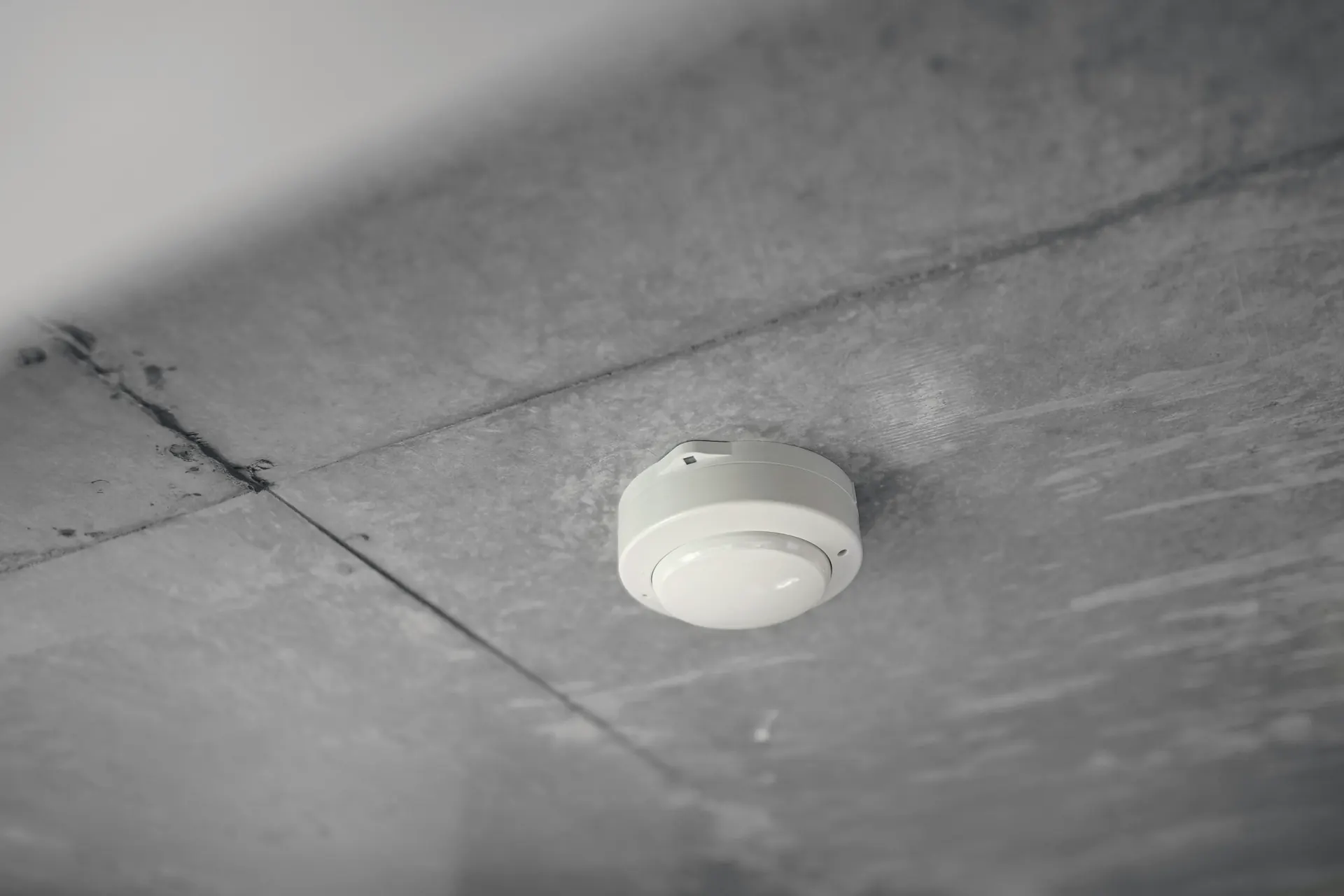
Test every alarm
Check the dates on the back. Replace anything more than 10 years old. See our alarm guide.
Change the furnace filter
Note the size on the cabinet for next time.
The first month
- Label the breaker panel. With a helper, switch off each breaker and note what goes dead. Write it on the panel door.
- Check the water heater. Note its age (the serial number usually encodes the year) and the temperature setting. Around 120°F is safe and efficient for most households.
- Look for the sump pump if you have a basement, and test it by pouring a bucket of water into the pit.
- Find the attic access and look with a flashlight for daylight, stains, or pests.
- Clean the dryer vent all the way to the outside. Lint buildup is a fire risk, and previous owners rarely do it.
Through the first year
Spring
- Walk around the outside after a heavy rain. Note where water pools near the foundation.
- Clean gutters and check that downspouts drain away from the house.
- Check the roof line from the ground with binoculars for missing or lifted shingles.
Summer
- Look at caulk around windows and siding.
- Check the deck, railings and steps.
- Have the AC serviced if it was not done before you moved in.
Fall
- Service the furnace.
- Disconnect hoses and winterize outdoor faucets.
- Replace worn door weatherstripping.
Winter
- Watch for ice dams and icicles along the eaves.
- Notice which rooms feel drafty; that becomes next year’s sealing list.
- Keep the area around the furnace and water heater clear of storage.
Prioritizing the inspection report
Sort every item into three groups: safety (electrical hazards, missing handrails, CO risks) first; water (leaks, drainage, roof) second, because water damage spreads; and everything else after that. Get estimates for the first two groups early, while you still have moving-in budget set aside.
Common questions
How much should I budget for maintenance?
A common rule of thumb is 1% to 2% of the home’s value per year, more for older homes. Some years you spend less; the year the roof goes, you spend more.
Do I need a home warranty?
It depends on the age of the systems and your savings. Read what is excluded before you buy one.
Our guides are general information for typical homes. Codes, permits and conditions vary, so check local rules, and leave gas, main electrical panel and structural work to a licensed professional.