We get called to a lot of leaks where the damage would have been small if someone had known where to turn the water off. Instead, a supply line bursts, everyone scrambles, and water runs for twenty minutes while someone searches the basement with a phone flashlight.
Spend ten minutes on this today. It is the cheapest insurance a house has.
Where to look
Find the side of the house that faces the street, or wherever the water meter is. The pipe usually comes straight in from there.
- Basement homes: on the front foundation wall, often within a few feet of the floor, sometimes behind a finished wall panel or shelving.
- Crawlspace homes: just inside the crawlspace access, or in a closet or cabinet on the street side.
- Slab homes: in a garage, a utility closet, near the water heater, or outside in a box near the foundation.
- Warm climates: often outdoors, on an exterior wall near a hose bib or in the ground near the meter.
If you still cannot find it, the meter box at the street has a curb stop valve. It usually needs a special key, and in many towns it belongs to the water utility, so treat it as a last resort.
Know what kind of valve you have
Ball valve (lever handle)
A straight lever. When the lever runs along the pipe, the water is on. A quarter turn so it sits across the pipe shuts it off. These are reliable and quick.
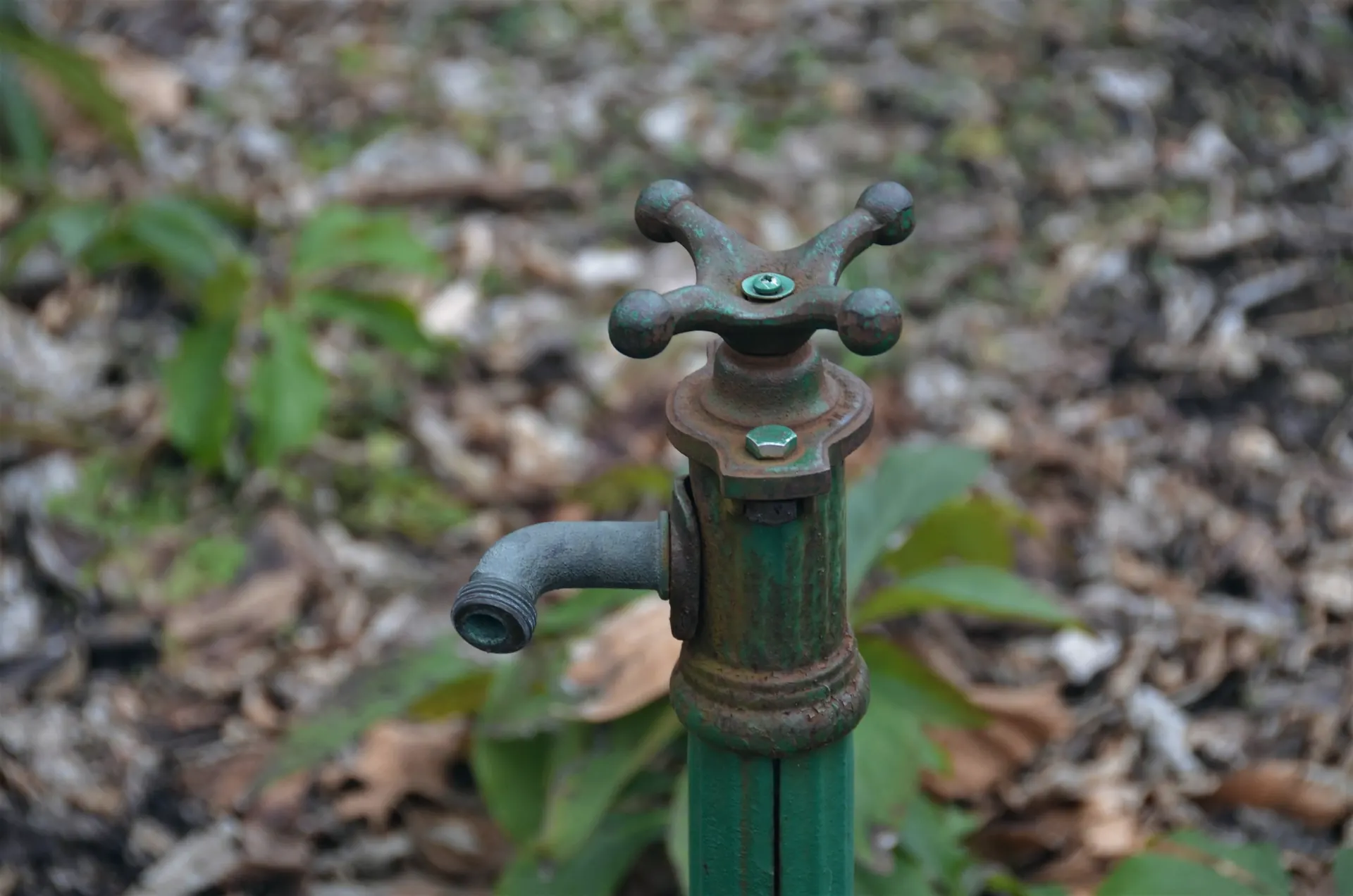
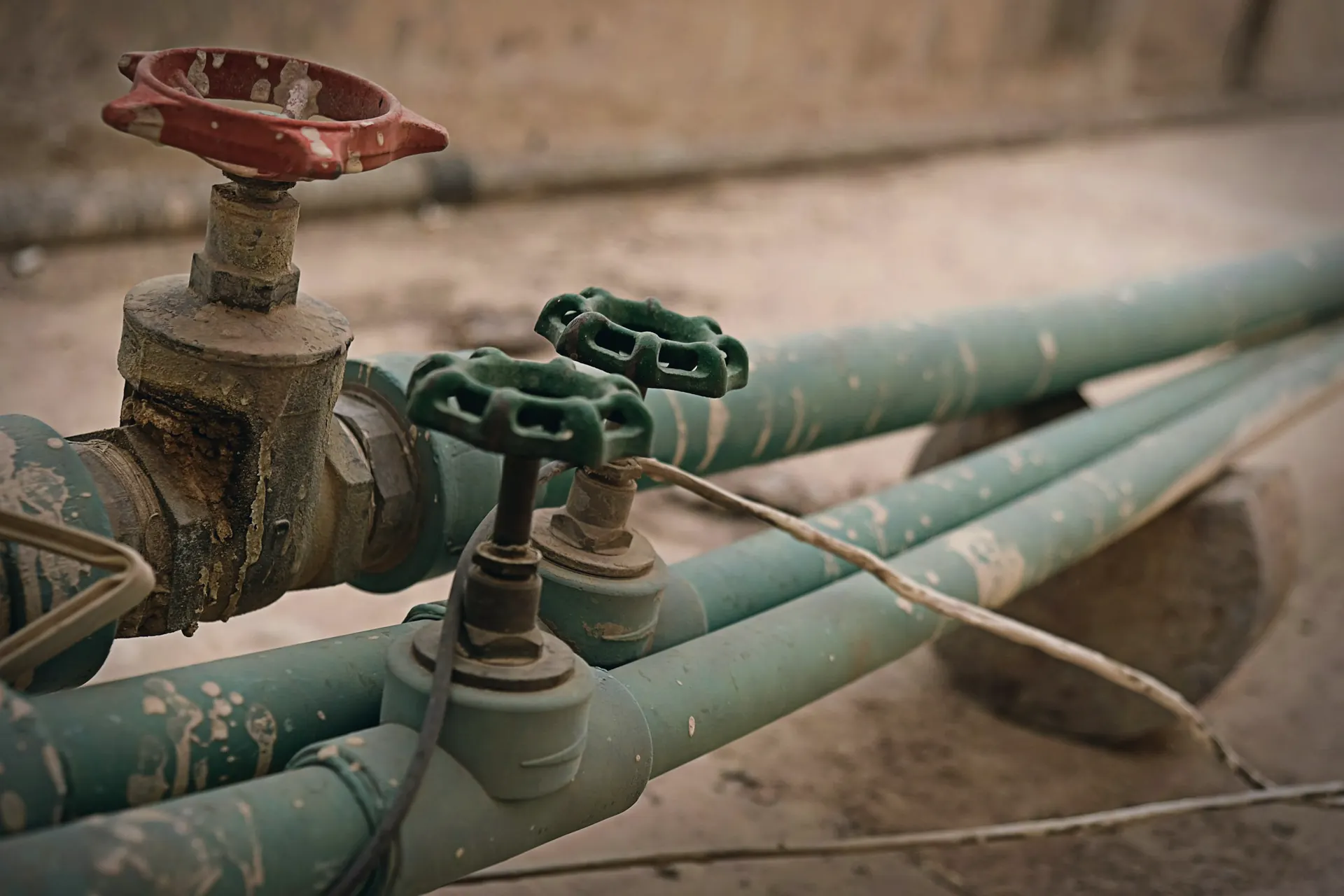
Gate valve (round wheel)
A round handle that takes several full turns clockwise to close. Gate valves are common in older homes, and they are the ones that seize or break. Turn them gently. If it resists, do not force it.
Testing it safely
Open a faucet first
Turn on a cold tap on the lowest floor. That is how you will know when the water is off.
Close the valve slowly
Lever: a quarter turn. Wheel: clockwise, steady pressure, until it stops. Never use a wrench on a wheel handle.
Check the faucet
The flow should drop to a trickle and stop within a minute. If it keeps running, the valve is not sealing.
Open it again
Turn it fully back on. With a gate valve, open it all the way, then back it off a quarter turn so it does not stick open.
Check for drips
Look at the stem where the handle meets the valve body. A small drip after moving an old valve is common. If it keeps dripping after an hour, it needs repacking or replacing.
Label it
Tag the valve and tell everyone in the house where it is.
If the valve will not move
Leave it. A seized gate valve can snap internally if you force it, and then it will not close at all, or it will leak. That is a job for a plumber, and a good time to switch to a quarter-turn ball valve.
Common questions
Is it bad to leave the main off while I am away?
No. For trips longer than a few days, many insurers recommend it. Turn off the water heater or set it to vacation mode first.
How long does it take to replace a main shut-off?
Usually one to two hours for a plumber, sometimes with the utility shutting water off at the street.
Our guides are general information for typical homes. Codes, permits and conditions vary, so check local rules, and leave gas, main electrical panel and structural work to a licensed professional.