Water expands about 9 percent when it freezes. That pressure usually does not split the pipe right where the ice is; it builds between the ice plug and the closed faucet. That is why opening the faucet is the first step: it gives the pressure somewhere to go.
Minute by minute
Open the faucet
Turn on both hot and cold at the affected fixture. Leave it open the whole time.
Find the frozen section
Follow the pipe back from the faucet. Look for frost on the pipe, a bulge, or a section that runs through a cold space: an exterior wall, an unheated garage, a crawlspace, a cabinet on an outside wall.
Check for damage first
If you see a split, a bulge, or water, close the main shut-off before thawing. Otherwise you will be thawing a leak.
Warm it gently
Start at the faucet end and work back toward the frozen section, so melting water can flow out. Use a hair dryer, a heating pad, or towels soaked in hot water. Open cabinet doors under sinks to let room heat in.
Keep going until full flow returns
A trickle is a good sign. Keep the heat on until the flow is normal.
Check for leaks
Once flowing, look and listen along the pipe and in nearby ceilings for drips over the next hour.
If you cannot find or reach it
If the frozen section is inside a finished wall, turn up the heat in the house a few degrees, open the cabinet doors, and aim a fan-forced heater at the wall from a safe distance. Thawing through drywall is slow. If nothing changes in an hour, call.
Preventing the next one
- On nights well below freezing, let a cold faucet on an exterior wall drip slowly. Moving water freezes much less readily.
- Open cabinet doors under sinks on outside walls.
- Keep the heat at 55°F or higher, even when you are away.
- Insulate pipes in crawlspaces, garages and attics with foam sleeves.
- Seal drafts where pipes enter the house.
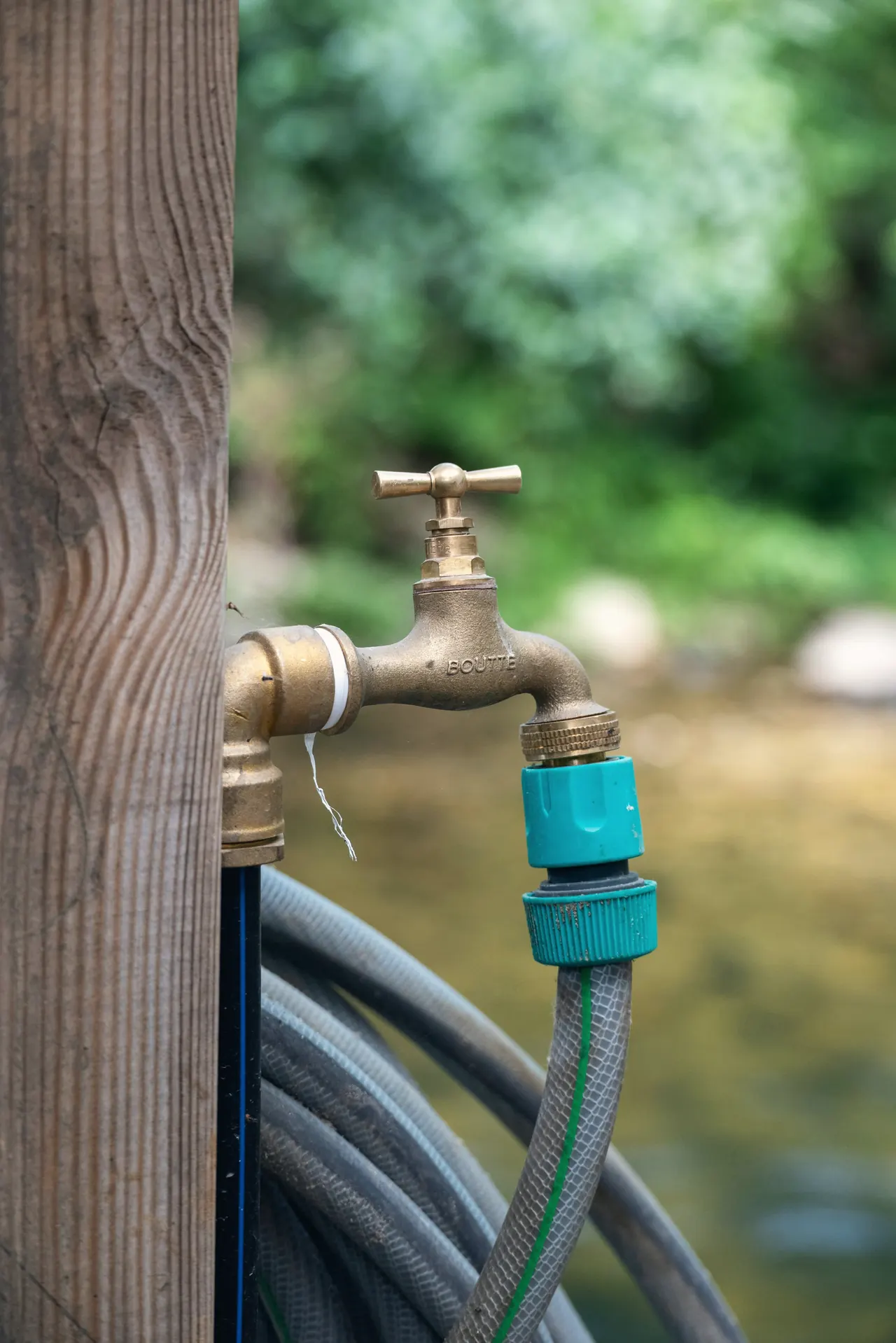
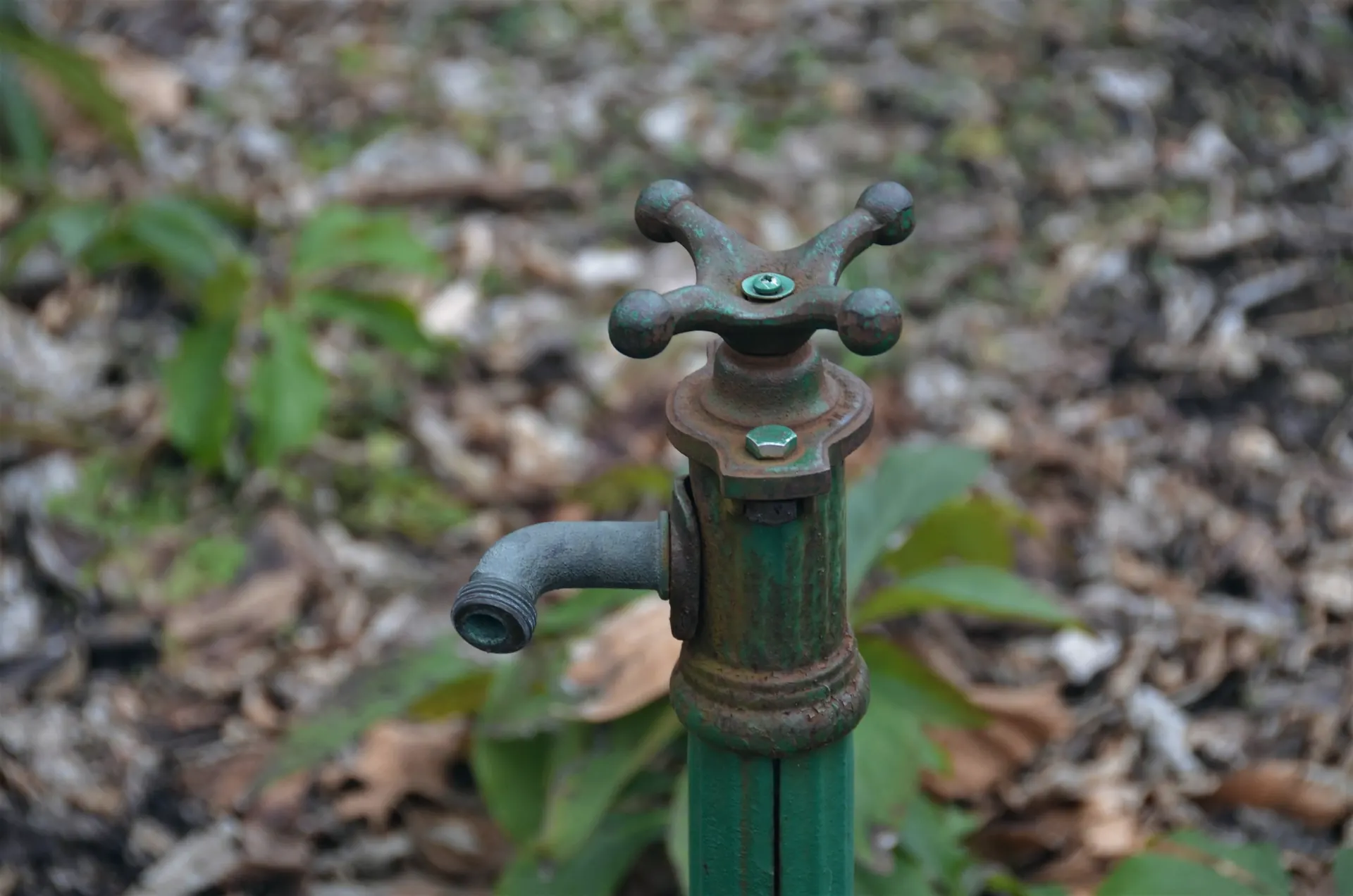
- Disconnect hoses and drain outdoor faucets in the fall. See our winterizing post.
Common questions
How long does it take for pipes to freeze?
Pipes in unheated or uninsulated spaces can freeze in a few hours once the temperature falls below about 20°F.
Will the pipe burst once it thaws?
If it already cracked while frozen, the leak appears as it thaws. That is why you watch it for the first hour.
Our guides are general information for typical homes. Codes, permits and conditions vary, so check local rules, and leave gas, main electrical panel and structural work to a licensed professional.