Painting over a stain is the most common mistake we see. The stain comes back, the leak keeps going, and by the time anyone looks properly, the drywall and insulation above are ruined. Find the cause first, then fix the ceiling.
Is it urgent?
- Call today if the ceiling sags, bulges, or water is dripping. Keep people and pets out from under it, move what you can, and put a bucket and towels down. Shut off the water at the main if plumbing could be the source. If water is near a light fixture, turn that circuit off at the breaker only if you can reach the panel without standing in water. A sagging ceiling can come down without warning, so do not press on it or stand under it to puncture it.
- Call this week if the stain is damp or has grown since you first noticed it.
- Plan a repair if it is dry, the edges have not moved in weeks, and you know the cause has been fixed.
Clues that point to the roof
Roof leaks show up after rain, especially wind-driven rain, or as snow melts. The stain is usually on a top-floor ceiling, and it may be some distance from where water actually enters, because water runs along rafters and the top of the drywall before it drops.
The usual entry points are around chimneys, plumbing vent pipes, skylights, and where a roof meets a wall. Rubber pipe boots crack after about ten years, and that is one of the most common leaks we repair.
Clues that point to plumbing
A stain directly under a bathroom, kitchen or laundry room that appears regardless of the weather is almost always plumbing. If the ceiling is firm and dry, with no sagging and no light fixture in the stained area, you can test one fixture at a time: run the shower for a few minutes, check, then try the toilet, then the tub. Whichever one darkens the stain is the likely culprit. Stop at the first sign of fresh water. If the ceiling is soft, sagging or near wiring, skip the test and call.
Common causes are a failed toilet wax ring, a cracked drain fitting, or worn caulk and grout around a tub letting splash water behind the tile.
Clues that point to condensation
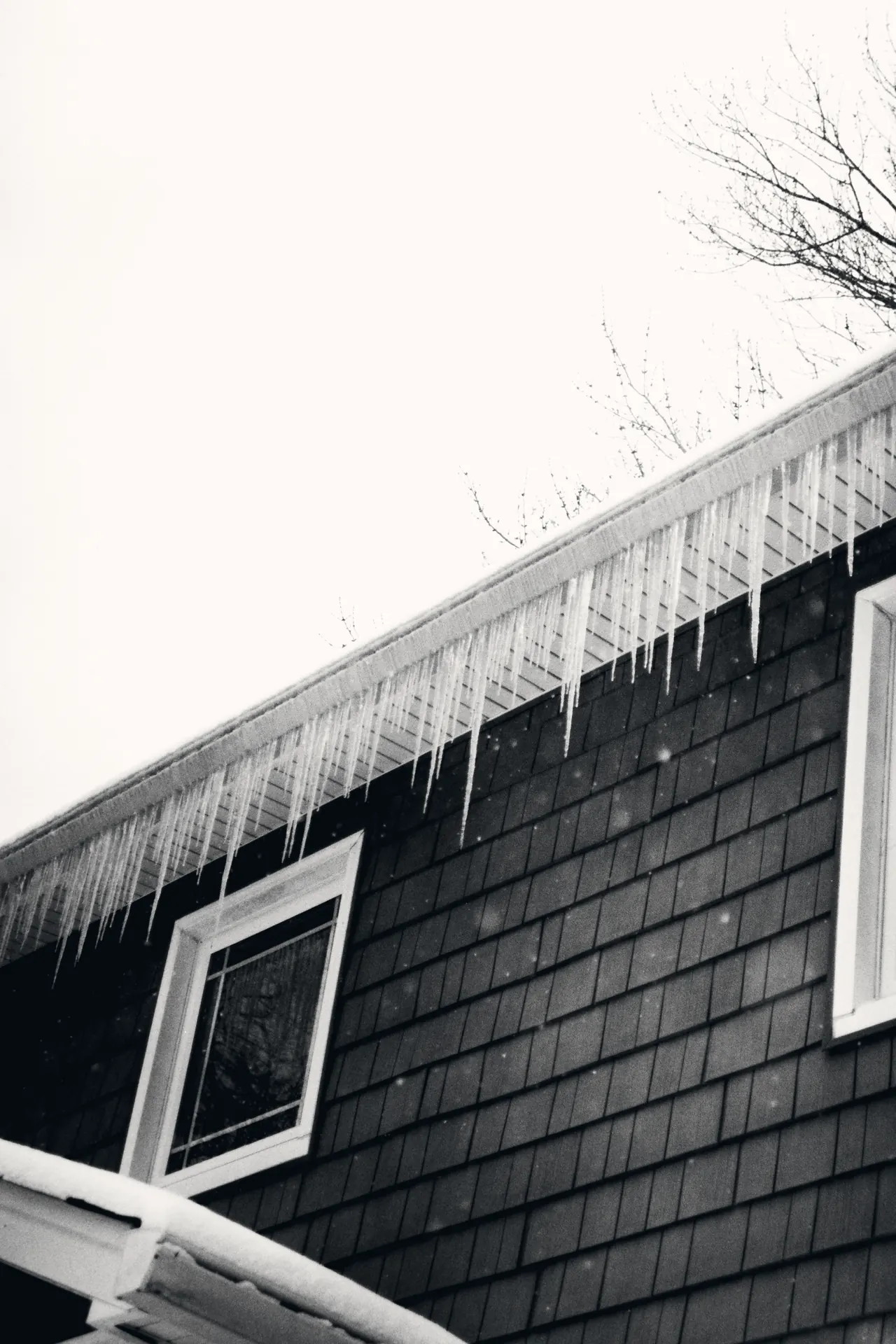
In cold weather, warm, moist house air can leak into the attic and condense on the underside of the roof sheathing or on nails. On a sunny morning it melts and drips. Stains from this are often near exterior walls, may appear as many small spots, and show up in winter without rain.
Fixes include sealing gaps around ceiling lights and the attic hatch, making sure bathroom fans vent outdoors (not into the attic), and checking that soffit and roof vents are clear.
Fixing the ceiling once the cause is fixed
Let it dry completely
Run a fan and give it several days. Moisture meters are cheap and remove the guesswork.
Check the drywall
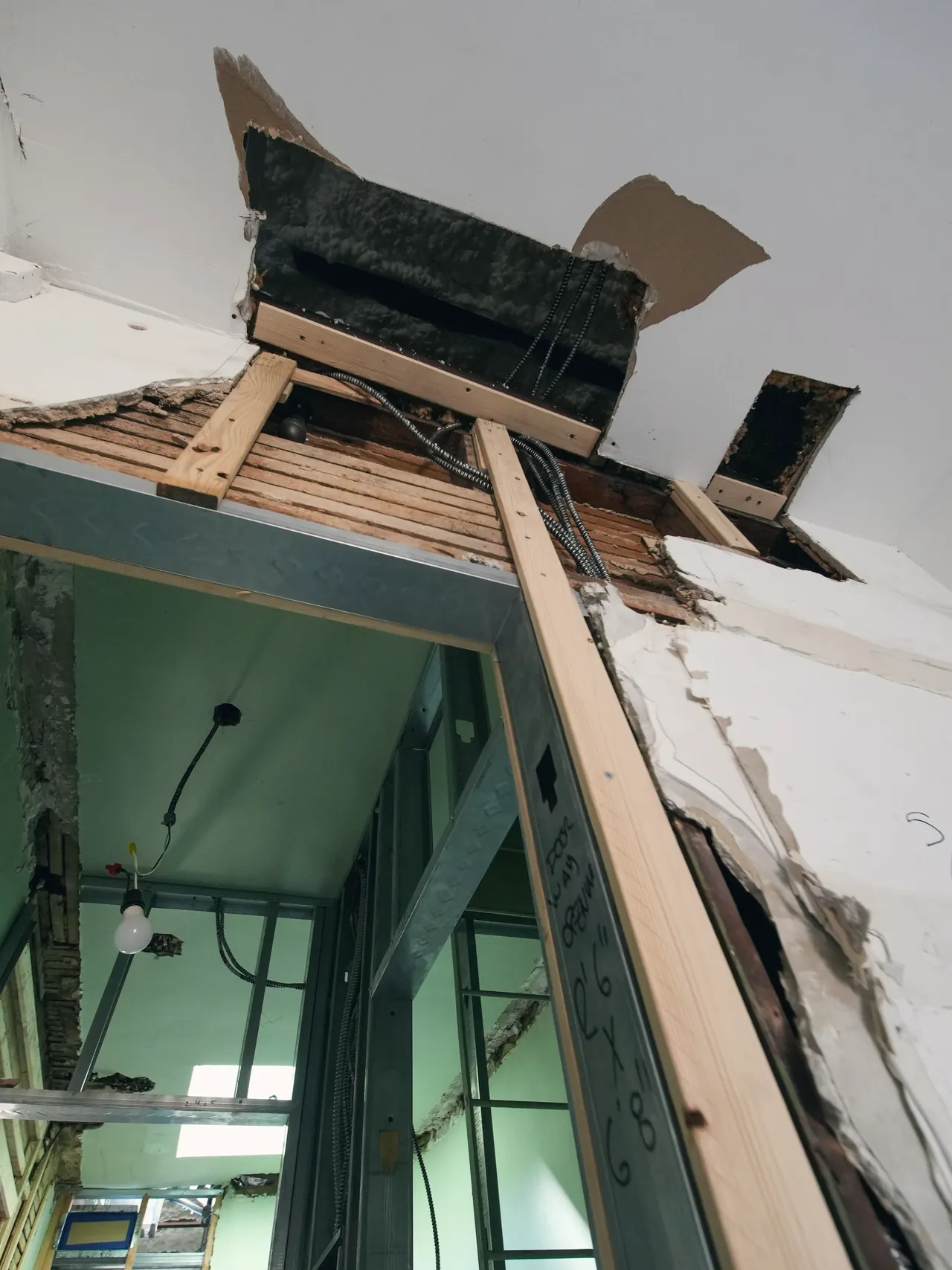
Firm and flat: it only needs sealing. Soft, crumbly or sagging: cut out and replace that section.
Seal the stain
Use an oil-based or shellac-based stain-blocking primer. Water-based paint alone will let the stain bleed through again.
Paint the whole ceiling plane
Ceiling paint ages and yellows. Touching up one spot usually leaves a visible patch, so paint wall to wall.
Common questions
Will homeowners insurance cover it?
Often it covers sudden damage, like a burst pipe or storm damage, but not slow leaks or wear. Photograph the stain and the cause before any repair.
Is a ceiling stain a sign of mold?
Not always, but drywall and insulation that stay damp for more than a day or two can grow mold. Dry it out fast.
Our guides are general information for typical homes. Codes, permits and conditions vary, so check local rules, and leave gas, main electrical panel and structural work to a licensed professional.