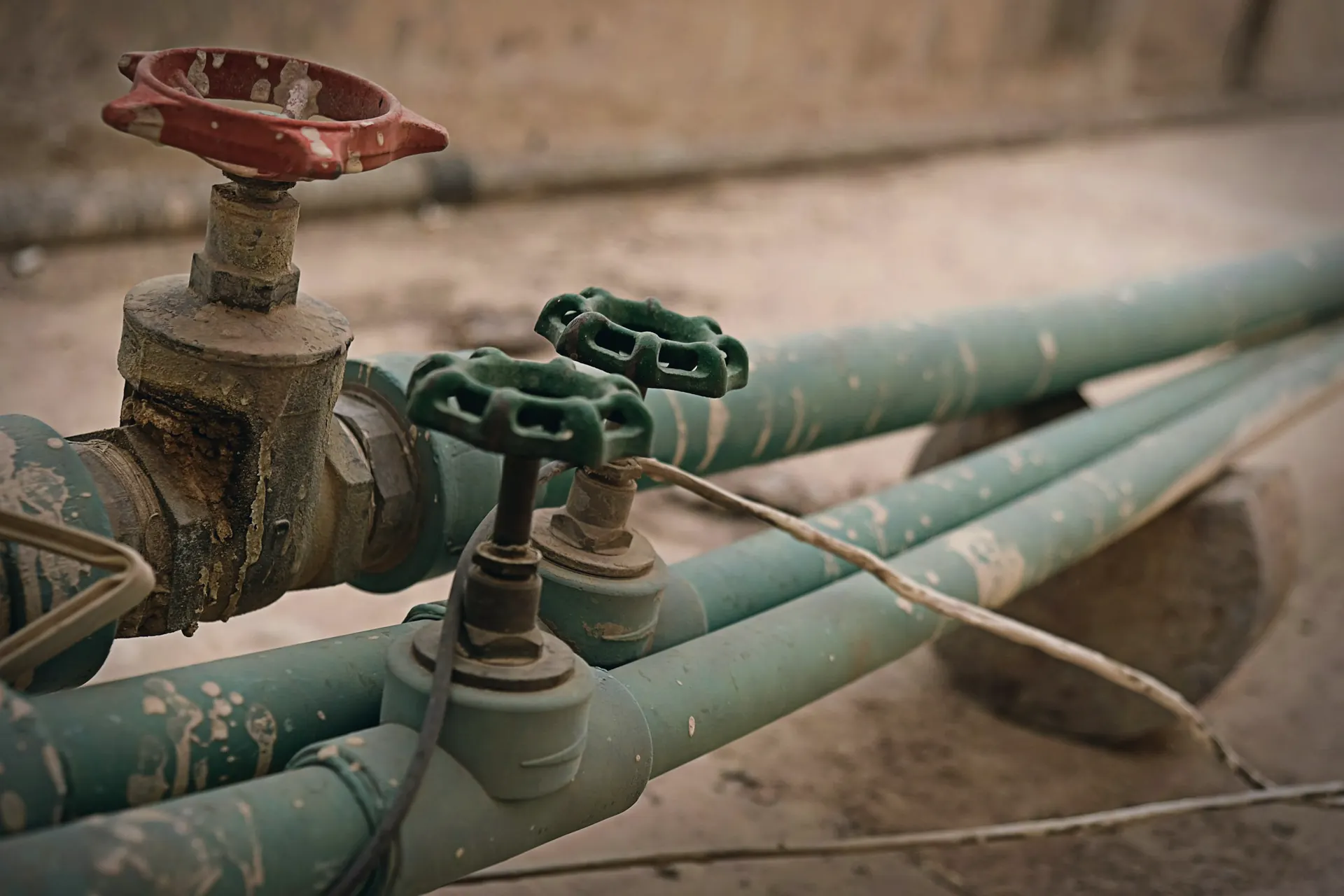
The EPA estimates that household leaks waste nearly 10,000 gallons of water per home every year, and around one home in ten has leaks wasting 90 gallons or more a day. Almost none of that comes from a burst pipe. It comes from small, quiet leaks that have been running for months.
Use the water meter to find out
Find the meter
Usually in a box near the street, or in the basement where the water line enters.
Stop all water use
No dishwasher, washing machine, ice maker refills or irrigation.
Watch the leak indicator
Most meters have a small triangle, star or dial that spins with even tiny flows. If it moves, you have a leak.
Or take two readings
Note the reading, wait two hours without using water, and read it again.
The usual suspects
Toilets
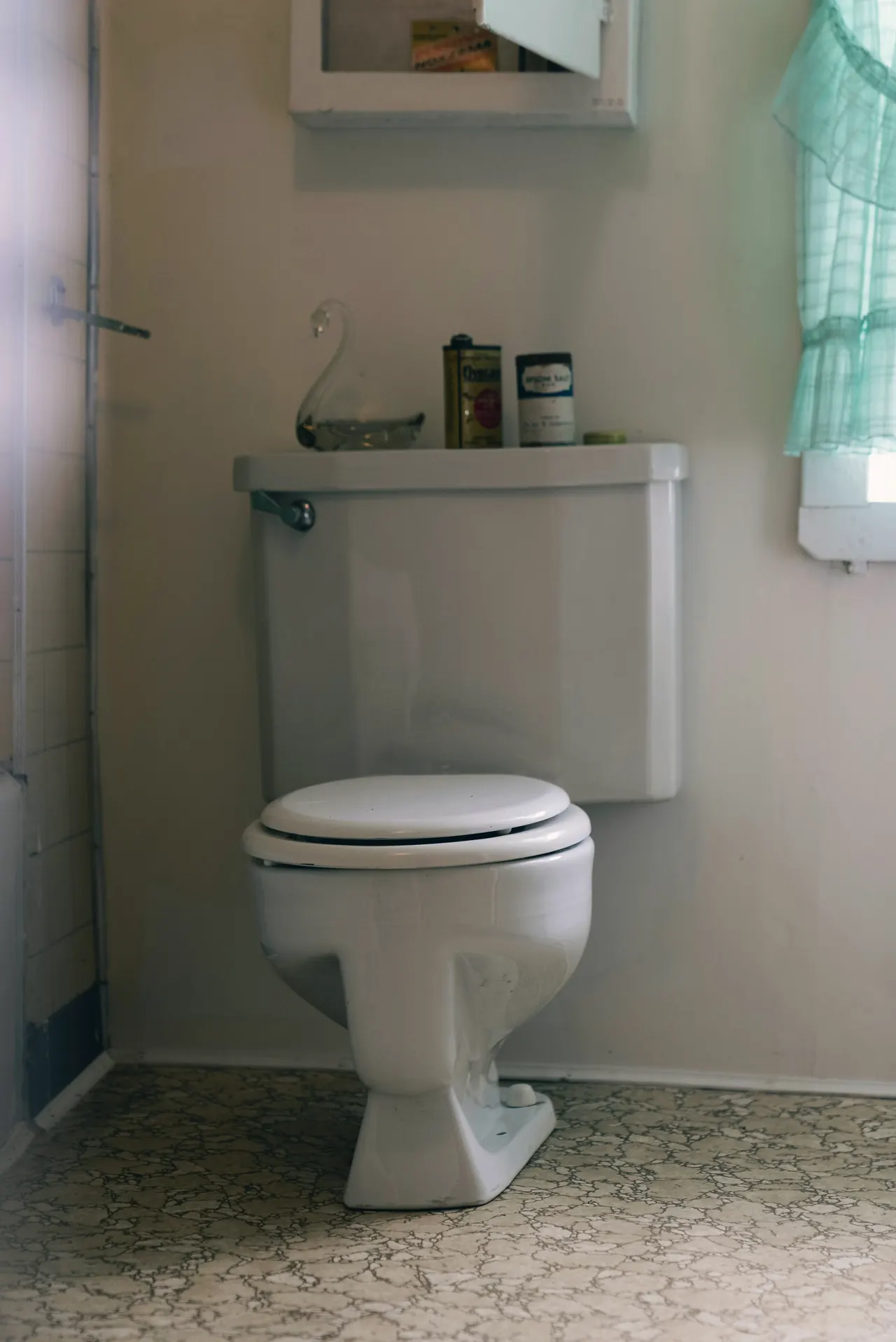
A worn flapper can leak silently into the bowl. Put food coloring in the tank and wait 15 minutes without flushing; color in the bowl means a leak. A toilet that runs constantly can waste hundreds of gallons a day. See our running toilet guide.
Dripping faucets
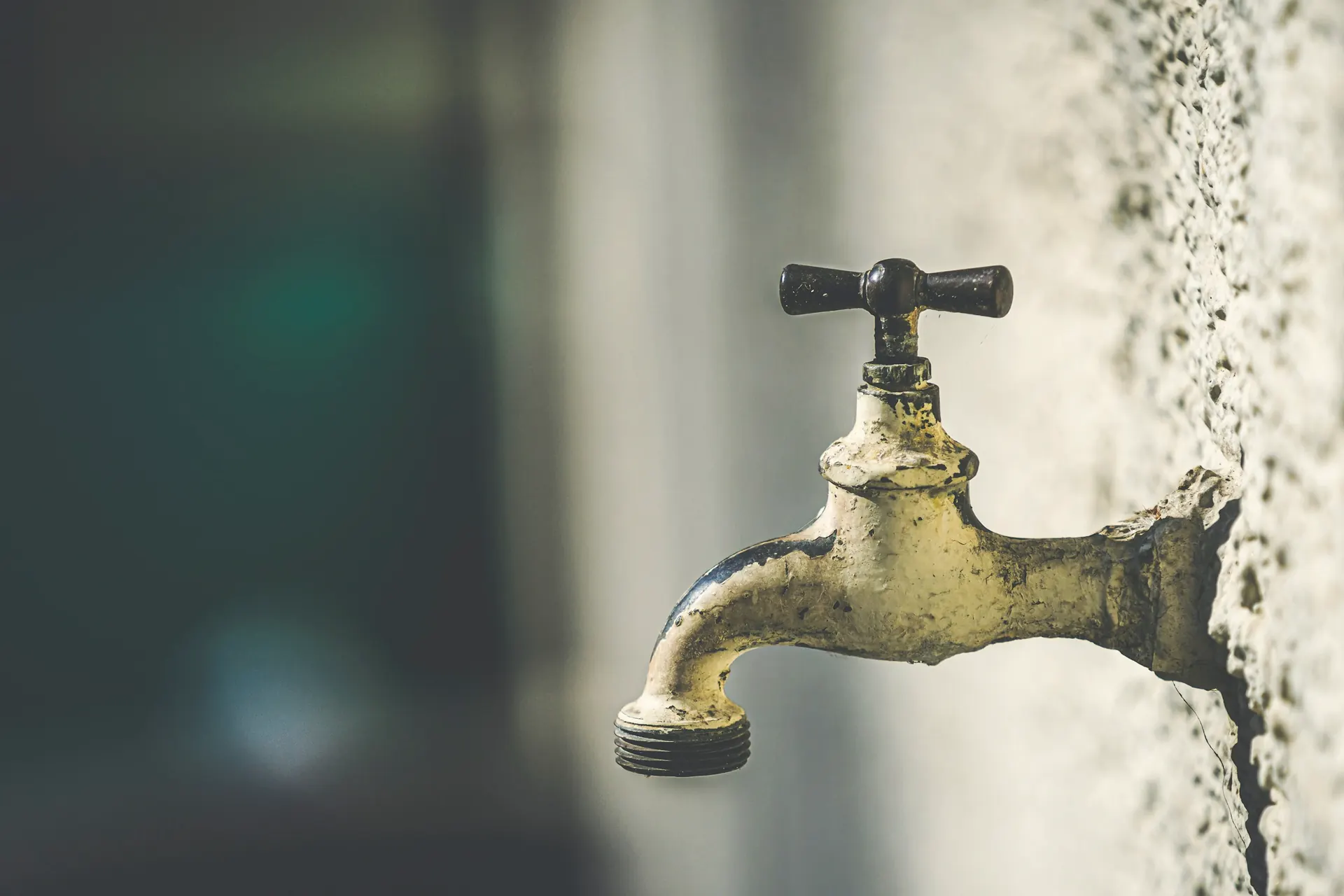
A faucet that drips once per second wastes more than 3,000 gallons a year. The fix is usually a cartridge or washer, matched by bringing the old one to the hardware store.
Showerheads and tub spouts
A showerhead dripping after you turn it off often needs new thread tape at the connection, or a new cartridge in the valve.
Outdoor faucets and irrigation
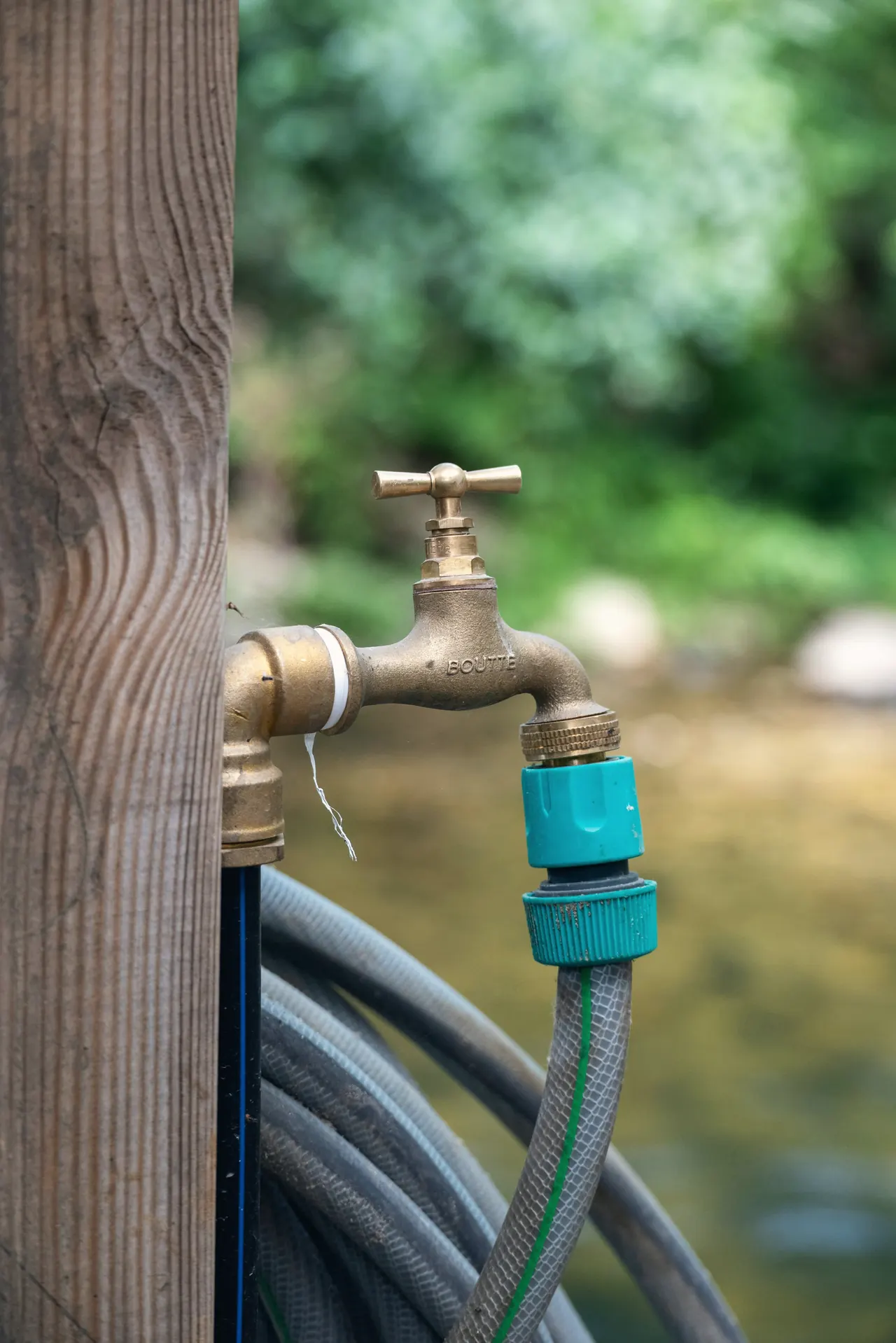
Outdoor leaks hide in grass and mulch. Check spigots, hose connections and irrigation heads, and look for unusually green or soggy patches.
Water heater relief valve
Look at the pipe running down from the side of the tank. If it is wet or dripping, the temperature and pressure relief valve may be leaking, or the water pressure may be too high. That one deserves a professional look.
Hidden leaks
If the meter moves and you cannot find a source, the leak may be in the supply line between the meter and the house, or in a pipe inside a wall or under a slab. Look for warm spots on the floor, the sound of running water, or new cracks or stains.
Our guides are general information for typical homes. Codes, permits and conditions vary, so check local rules, and leave gas, main electrical panel and structural work to a licensed professional.